


Construction Materials

Construction Materials
We have extensive experience in the characterisation of construction raw materials, manufacturing, and quality control including bricks, tiles, ceramics, ball, filter and liner clays, Si-sand using optimised META technologies.
Construction is all about interfaces with the earth, and involves foundations, excavation and materials. X-ray diffraction (XRD) and X-ray fluorescence (XRF) analytical methods are used to describe the fundamental nature of earth materials. This may be from a descriptive standpoint where rock-type must be determined or to examine the quality of the material so that its suitability for use can be assessed.
A wide range of analytical techniques available at X-ray Mineral Services are routinely used in construction projects for characterisation of raw materials or for quality control of manufactured materials. This includes the use of META1 techniques XRD, XRF, ICP, automated mineralogy and FTIR, and also onsite META2 techniques pXRF, pLIBS, FTIR.

- Raw materials for manufacture of roofing tiles, floor and wall tiles, decorative ceramics, bricks and blocks, clay pipes
- Mineral and chemical characterisation of foundation materials and road-stone
- Foundation clay surveys
- Identification of mineralogical composition of concrete
- Quarry extension borehole onsite analysis
The principal applications include bricks and tiles, aggregates, cements and slates.
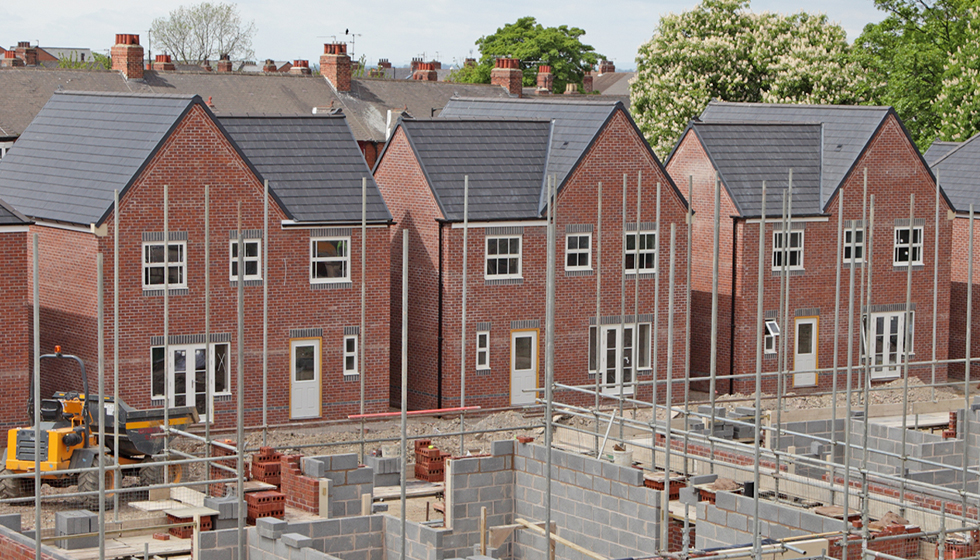
Bricks and Tiles
X-ray Mineral Services has been operating in the bricks and tiles industry since 2006, providing x-ray diffraction (XRD) and x-ray fluorescence (XRF) analytical and consultancy services. The major players including Wienerberger and the BMI Group have benefitted from our analytical and geological expertise and experience in characterising heavy clays. With samples originating from various quarries in the UK, Europe and worldwide, we have built a vast library of data on clay materials from multiple sources. This includes routine process control samples, stockpile layers and composites, as well as fillers and blends whereby XRD is used to characterise and quantify the clay mineralogy and XRF to determine the elemental chemistry.
These analyses are imperative prior to brick and tile manufacturing to ensure consistency within the raw materials and are therefore valuable quality control tools. They also provide important information on any impurities that are inevitably present in natural raw materials, identifying iron compounds, carbonates and sulphates. Understanding the mineralogy of the raw material is critical to determine both clay and non-clay components as they inherently control the firing behaviour, colour and mechanical strength of the final product. The chemical analysis and quantification of the elemental oxides using XRF provides invaluable data and validates the mineralogical phases identified by XRD. The loss on ignition (LOI) is also determined separately and can be attributed to the structurally-bound water, oxidation of sulphides, breakdown of carbonates and combustion of organic matter.
Routine analyses of stockpiles can highlight subtle variations in the mineralogical and chemical composition of the raw materials that may impact the quality and consistency of the final product. Therefore, consistent sampling can indicate any heterogeneities both within and between stockpiles and can be dealt with prior to manufacturing. These analytical processes are also invaluable tools when applied to the investigation of quarry extensions and the search for compatible as well as new resources. X-ray Mineral Services have developed a suite of in-house standards and bespoke calibrations to characterise a wide range of matrix types and undertake regular laboratory proficiency tests and competitions to determine data QA.
Aggregates
All forms of construction require materials in the form of aggregates, sands and cements. The quality of all those materials is determined by their actual, rather than supposed, mineral content. Standards which apply to aggregates and sands specify limits to the presence of clay, lignite, mica, pyrite and in the case of marine-dredged aggregates, shell. The abundance of clay, mica and pyrite can be determined directly by XRD. The shell content of sands can be estimated by XRD because other sources of carbonates in marine sands are rare, and the abundance of lignite affects the LOI. Problems due to alkali-silica reaction in concrete can be predicted by use of XRD to analyse for potentially hazardous content.
Cements
The other principal component in construction is cement, mostly manufactured from quarried limestones and shales and small quantities of sand. XRD is the best method of assessing the qualities of those materials, and XRF is a routine analysis performed for quality control upon the milled feedstock. Both methods are important in the exploration for new reserves to extend the active life of a cement plant, where there is drilling to map in 3D where potentially advantageous or hazardous strata can be found. XRD is also valuable in the quality control of the finished cement product because the primary mineralogy of the powder and any additives can be determined directly. We have also been deployed onsite to optimise limestone quarry extensions using pXRF on borehole cuttings samples.
Modern, environmentally sustainable practices in the use or re-use of waste materials can be underpinned by careful examination of the resource to ensure that its properties are not harmful. For example, waste streams from incinerators, recycled aggregates and tailings from mineral processing can be characterised in terms of both chemistry and mineralogy to ensure that they find appropriate markets or end-use as blended product.
Slates
Slate is an iconic roofing material in Wales which has been exploited since Roman times. By the early 20th century production had reached a peak at around 500,000 tons per annum, but roofing production has declined and is now typically c.20,000 tons. The current demand for slate (almost 1M tonnes) is now for other architectural purposes and as a landscaping and hard-core fill and much of this slate is reclaimed from historical waste dumps.
The analysis of slate and mudstones is difficult by optical petrography, however the material can be characterised accurately using XRD, FTIR and XRF. Slates from different locations typically have a diagnostic mineralogical assemblage and this can dictate the use of the material. In addition to determining the mineralogy and geochemistry of slate and mudstones, X-ray Mineral Services routinely type slate from different formations across Wales to ensure that suitable replacement materials can be appropriately sourced for renovation projects.


Hafren’s Chief Scientist participates in the European Lunar Symposium 2024
Alan R Butcher gave a talk at the recent Lunar Symposium in Scotland, which was fittingly held near to astronaut Neil Armstrong’s ancestral home in the town of Langholm (Dumfries & Gallaway), and marking the 55 year anniversary since the Apollo 11 landing on the...

Hafren Scientific & the Geological Survey of Finland (GTK) renew their Memorandum of Understanding
Hafren Scientific Group (Hafren) are delighted to have recently signed a Memorandum of Understanding (MoU) with the Geological Survey of Finland (GTK). This will enable both parties to work collaboratively on applied geoscience research, consultation, education, &...
Sand from the Sahara
Record-breaking temperatures in recent weeks were due to warm air being pushed up from low latitude, bringing with it a plume of dust arising from wind storms in the Sahara. The plume even reached…