


Construction Materials


Construction Materials
Construction is all about interfaces with the earth, and involves foundations, excavation and materials. X-ray diffraction (XRD) and x-ray fluorescence (XRF) analytical methods are used to describe the fundamental nature of earth materials. This may be from a descriptive standpoint where rock-type must be determined or to examine the quality of the material so that its suitability for use can be assessed.
A wide range of analytical techniques available at X-ray Mineral Services are routinely used in construction projects for characterisation of raw materials or for quality control of manufactured materials. We utilize our laboratory based META1 techniques ( XRD, XRF, ICP and FTIR) along with our fast onsite META2 techniques (pXRF, pLIBS, FTIR) for accurate chemical and mineralogical characterization.

- Mineral and chemical characterisation of foundation materials and road-stone
- Foundation clay surveys
- Identification of mineralogical composition of concrete and other construction materials
X-ray Mineral Services has strong background in clay mineral analysis and have built a vast library of data on clay materials from multiple sources around the world. Routinely, XRD is used to characterise and quantify the clay mineralogy and XRF to determine the elemental chemistry. For a more detailed characterization, the analytical routine can be supplemented by a variety of other techniques fitted for the purpose.
These analyses are valuable tools for manufacturing to ensure consistency within the raw materials and are therefore valuable quality control tools. They also provide important information on any impurities, that are inevitably present in natural raw materials. The amount, type, and distribution of these potentially disadvantageous impurities, such as iron compounds, carbonates and sulphates, can be determined. Routine analyses of stockpiles can highlight subtle variations in the mineralogical and chemical composition of the raw materials that may impact the quality and consistency of the final product. Consistent sampling and analysis can help to identify any heterogeneities in advance and can be dealt with prior to manufacturing.
CASE STUDIES

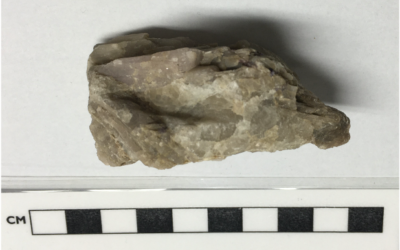
Spodumene Case Study
Spodumene is an unusual type of pyroxene with a lithium content that is present in commercially significant amounts (percent levels).It is one of only a few natural primary sources of lithium and is…
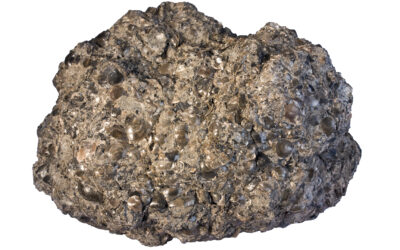
Phosphorites and REEs
With the recent announcement from China that they will seek to develop Lithium-Iron-Phosphate (LFP) batteries, it is clear that interest not only in lithium but also sources of phosphate will…
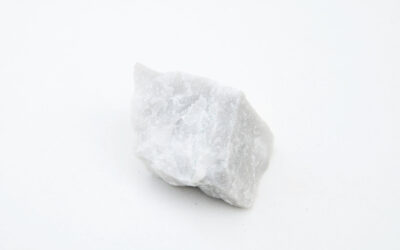
Talc Case Study
Talc (Mg3Si4O10(OH)2) is not a battery mineral but its correct identification in the gangue minerals of an ore is essential for successful battery metal extraction.Talc is a magnesium phyllosilicate…